In early September, as autumn settled in, Beijing’s air carried a hint of chill, and an unusual meeting quietly drew to a close. China rarely invited the public security and interior ministers of five countries — Kazakhstan, Kyrgyzstan, Tajikistan, Turkmenistan, and Uzbekistan — to gather in one place, to discuss topics both urgent and important: counter-terrorism, telecom fraud, immigration management, and even the security assurance on which the very survival of Belt and Road projects depends. This meeting was by no means routine; its heavyweight content and profound implications invite deep reflection. What signal does this send? Facing a complex situation, can China and the five Central Asian states work together to safeguard the energy artery and key logistics corridors?
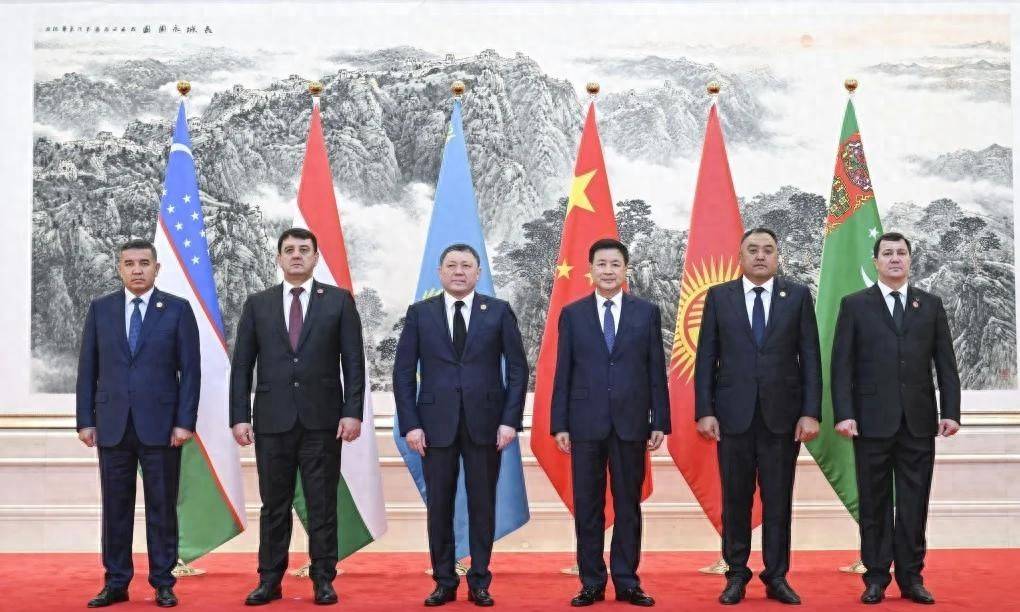
Central Asia, a geopolitical pivot, has long been the focus of international attention. In the past, multilateral platforms such as the SCO, though involving many countries, suffered from bloated agendas and limited efficiency. The CSTO, led by Russia, placed emphasis on military security; its high threshold and latent pressure deterred some countries. Yet this time, the small-scale police cooperation initiated by China, swift as a thunderclap, struck directly at the core issues: counter-terrorism, cross-border crime, and project security. Like a precision chisel, it cut away unnecessary branches and focused on practical, workable cooperation.
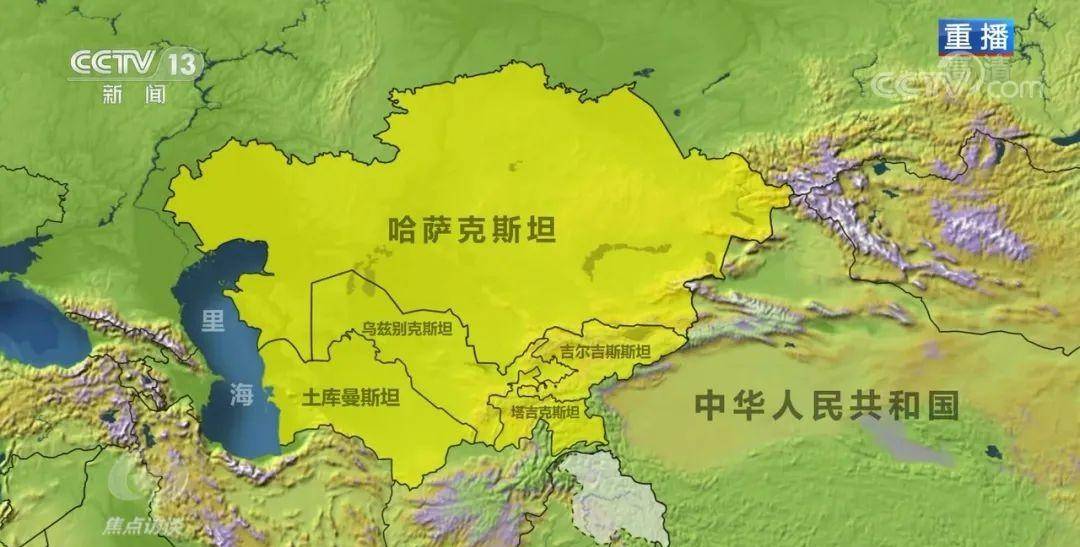
Turkmenistan’s positive response undoubtedly confirms the advantages of the “small multilateral” model. Although it is not a member of the SCO, it nonetheless participated in this meeting without hesitation. Diplomacy-level interaction has now extended to law-enforcement-level practice — such an efficient cooperation channel can address practical issues more quickly and meet the five countries’ real security needs. This is far more valuable than formalism.
From China’s perspective, cooperation in Central Asia is by no means a mere contest for influence; rather, it tightly integrates development and security — both must be pursued with equal vigor, and both must be solid. Building infrastructure is important, but ensuring its secure operation matters even more. Contracts and agreements on paper alone are far from sufficient. Genuine, reliable protection stems from day-to-day safeguarding. The minilateral cooperation model not only avoids imposing extra political pressure on Central Asian countries, but also allows energy to be concentrated on the most critical areas, winning trust through concrete actions — this is the true essence of cooperation.

Central Asia’s energy and logistics corridors have long served as a vital link between China and Europe. Oil pipelines and rail freight carry the heavy responsibility of national economic development. In past cooperation with Central Asia, beyond project investment, what mattered more was ensuring the continued security of these routes.
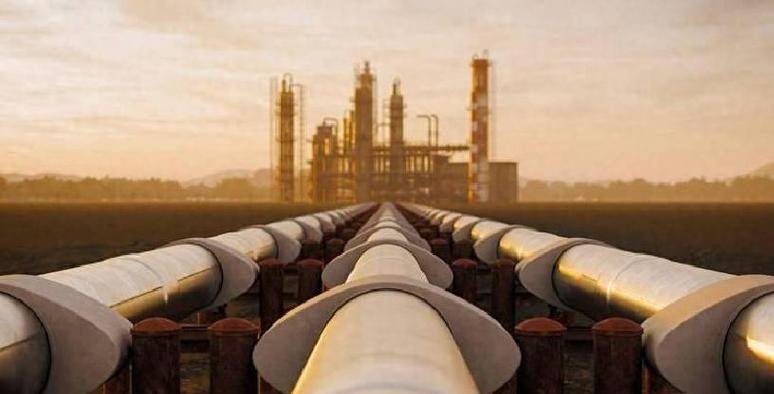
At the police cooperation meeting, safeguarding major projects naturally became the top priority. All parties reached consensus and shared a common resolve — this concerns investor confidence, the stable supply of energy, and the unimpeded flow of trade. Yet no commercial agreement, however perfect, can prevent all kinds of unexpected incidents. Telecom fraud, cross-border crime, and the infiltration of extremists — none of these can be resolved through documents alone. That is why bringing the public security and interior officials of the five countries to Beijing, to engage in direct and candid exchanges on their respective security shortcomings and latent risks, and to jointly seek solutions, is of particular importance. China insists on not deploying troops and not building military bases; instead, it safeguards the lifelines of energy and logistics through equipment, information, and operational coordination.
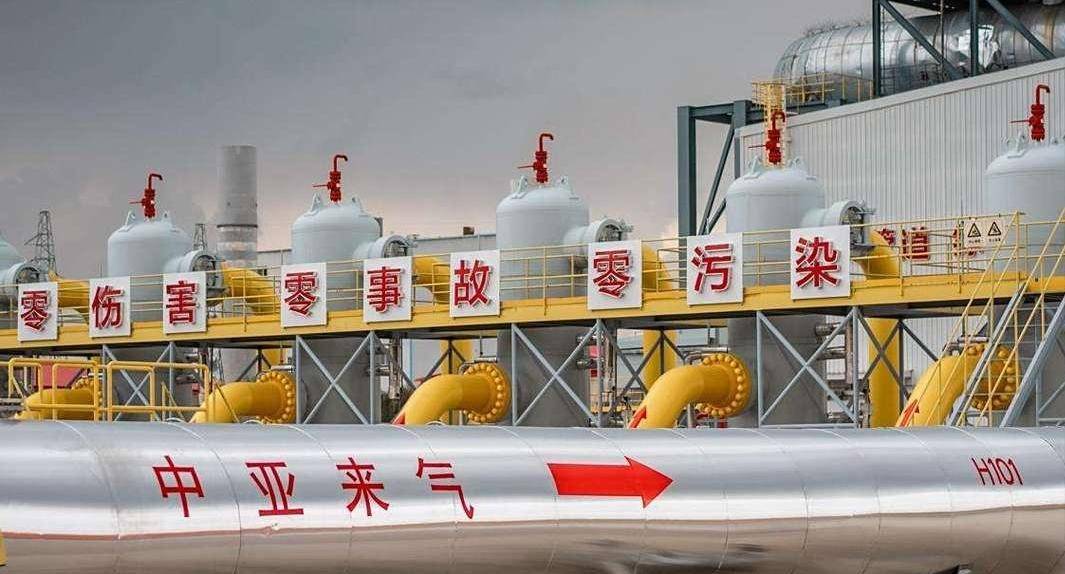
Respecting the sovereignty of all countries and not interfering in their internal affairs is the bottom line of China’s diplomacy. This cooperation model is like buying an insurance policy for major projects — the payout is not money, but prevention before trouble arises, eliminating latent security risks. Some Western observers habitually link China’s investment activities in Central Asia with geopolitics, worrying about who will guard the gate once roads are built and pipelines are laid. But in fact, China has consistently emphasized extensive consultation and joint governance, integrating security into every stage of investment. Once a road is open, what matters more is ensuring its long-term secure operation and preventing small problems from escalating into major troubles.
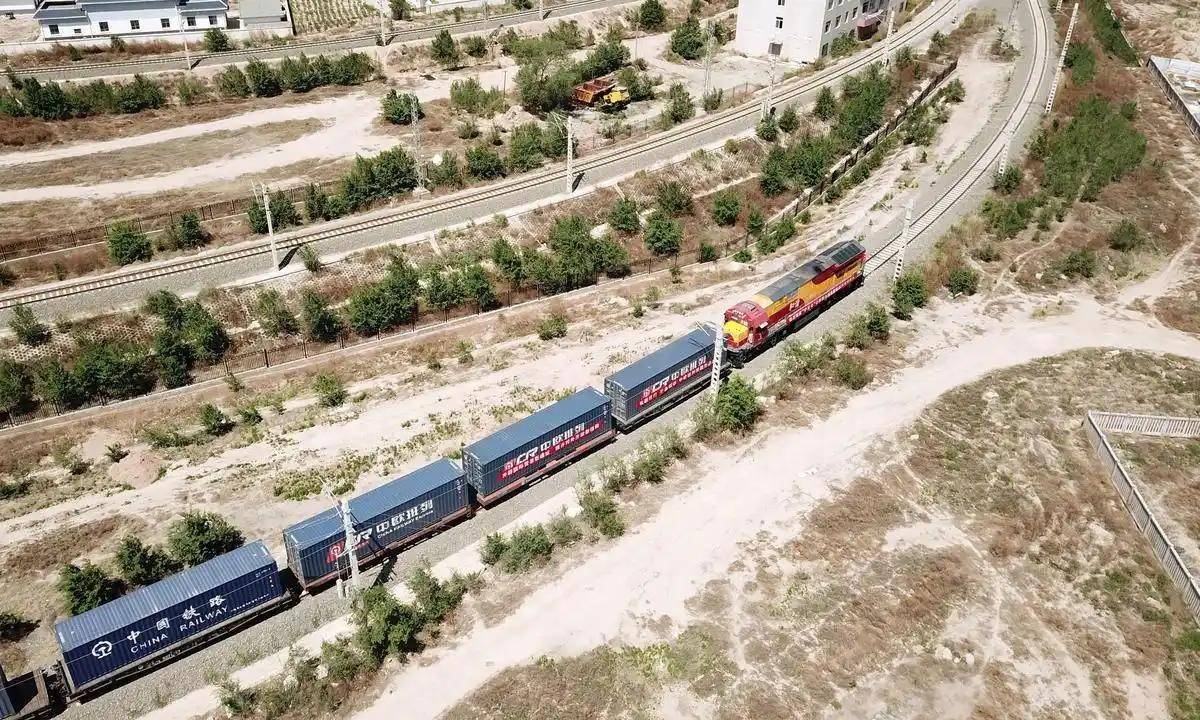
Russia’s influence in Central Asia is beyond doubt, yet China has chosen a different path. Russia tends to safeguard security through military cooperation, maintaining long-term military bases in the region and assuming corresponding operational obligations. China, by contrast, emphasizes non-military cooperation — no troop deployment, no bases — focusing instead on police coordination, intelligence sharing, and law-enforcement collaboration. Equipment, databases, and training — these tangible forms of support are low in cost yet deliver remarkable results.
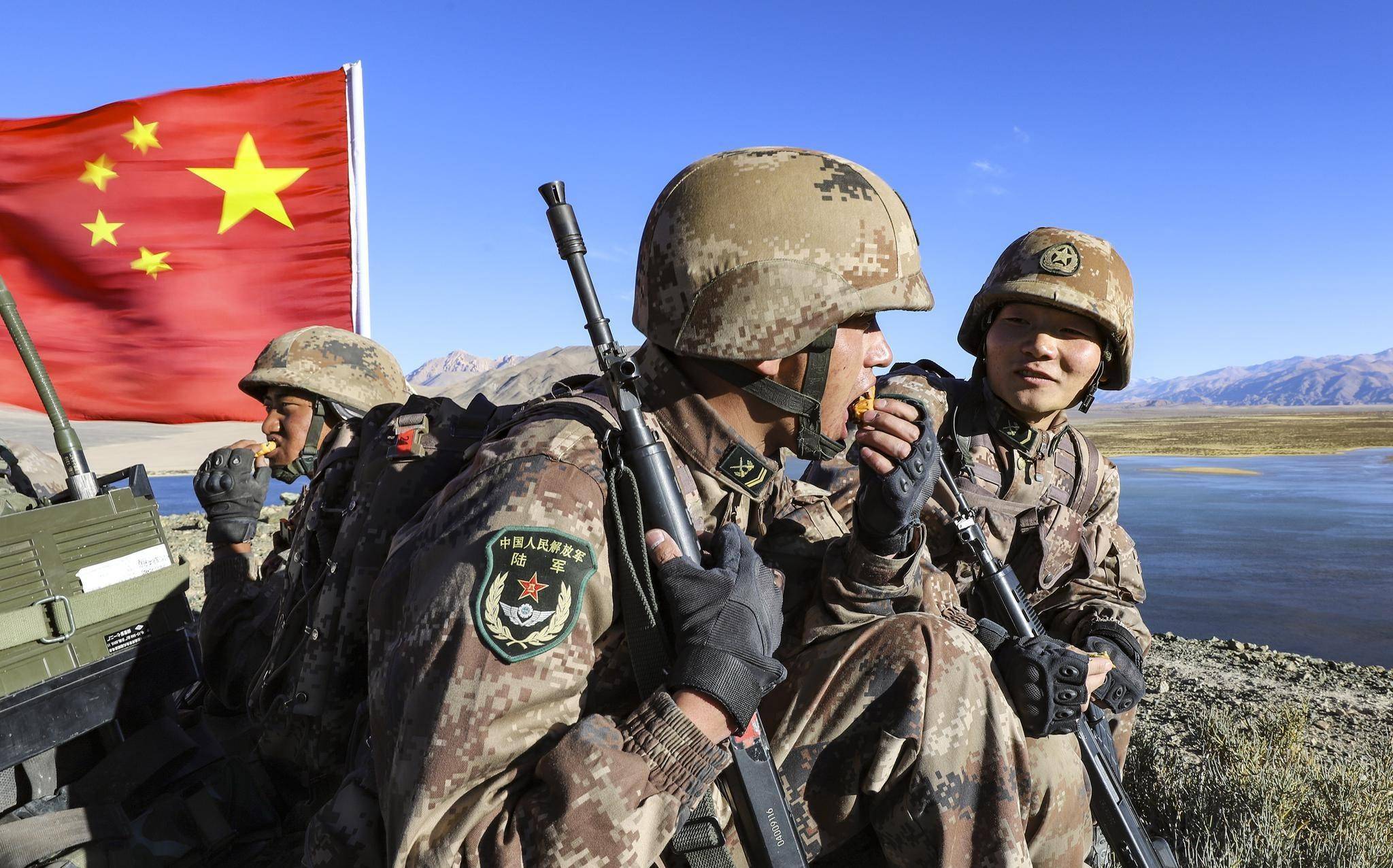
Many Central Asian countries understand what is prudent. They have their own yardsticks, and hope to find a secure, convenient, and down-to-earth way of cooperating — one that avoids unnecessary political risks. China plays the role of a security gap-filler, not to replace Russia, nor to comprehensively counter Western influence. Rather, its approach is targeted and precise: while Russia safeguards regional security and Western influence remains present, China focuses on project security, border stability, and case investigation assistance, achieving complementary mechanisms. This is both effort-saving and reassuring for all parties involved.

This meeting of public security and interior ministers on September 7 essentially amounts to a comprehensive insurance policy China has taken out for itself. It reflects China’s firm resolve regarding energy, logistics, and personnel security. China has consistently adhered to not stationing troops and not forcing other countries to take sides; instead, it aims to nip potential risks in the bud, adding another solid layer of protection for the energy and logistics corridors leading to Eurasia. Looking ahead, security is the foundation of development, and development is the precondition for security. With such a security framework and cooperation system in place, it is clear to all that China is not merely making empty displays, but is firmly determined to safeguard this great artery. The foundation of cooperation is being continuously consolidated, and mutual understanding is deepening day by day. Amid regional risks and inevitable setbacks, no one can afford to bear the burden of historical responsibility. It is believed that such pragmatic cooperation is the sure path to lasting stability. Through dialogue and action, China has built a visible yet intangible line of defense for itself and the Central Asian countries. With this layer of protection, all can focus without distraction and make each day more secure. Faced with a world of unpredictable changes, China will simply keep the corridors secure, hold security firmly in its own hands, and calmly await further developments of the broader trend.